Introduction to Digital Photography
Kit & Technology
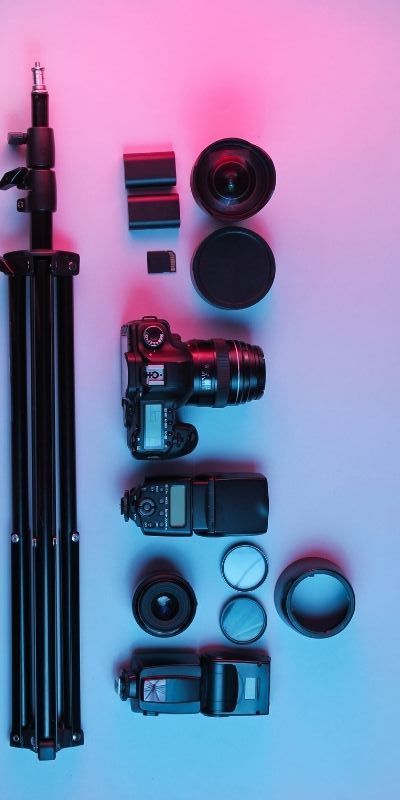
We will begin by examining the fundamental equipment essential to your photographic journey, including your camera, lenses, and key accessories. In addition, we’ll cover the core technologies and terminology necessary to build a strong foundation. This knowledge will enable you to develop your skills with confidence and clarity.
A critical first step is gaining a thorough understanding of how your camera functions. If you have not yet selected a camera, there is no need for concern. I will guide you in making an informed decision that aligns with your goals, interests, and budget.
Whether your passion lies in landscape, portrait, wildlife, or street photography, there is a camera system suited to support your creative vision. The objective is to equip you with the tools and knowledge needed to confidently capture the images that most inspire you.
Introduction to digital photography
Kit & Technology
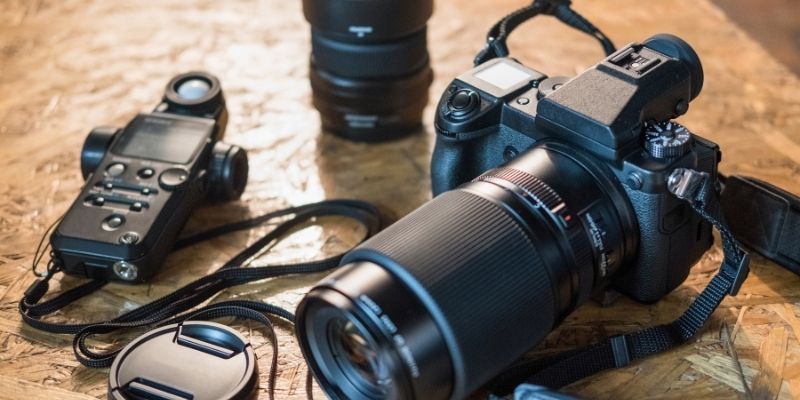
Compact cameras are generally best suited for casual, point and shoot photography. Most settings are handled automatically by the camera. They are convenient, ideal for everyday quick snapshots and are very easy to use.
However, if you're looking for greater creative control, you'll want to explore more advanced options such as premium compact models, mirrorless or DSLR's. Mirrorless and DSLR's are interchangeable lens systems. These offer both automatic and full manual controls, giving you the flexibility to make more deliberate choices about composition, exposure and focus.
Interchangeable lens cameras, in particular, open up a far wider range of creative possibilities. By changing lenses, you can adapt to different subjects, styles, and shooting environments, all while maintaining high image quality.
Today’s photographers are spoiled for choice.
Introduction to digital photography
Cameras
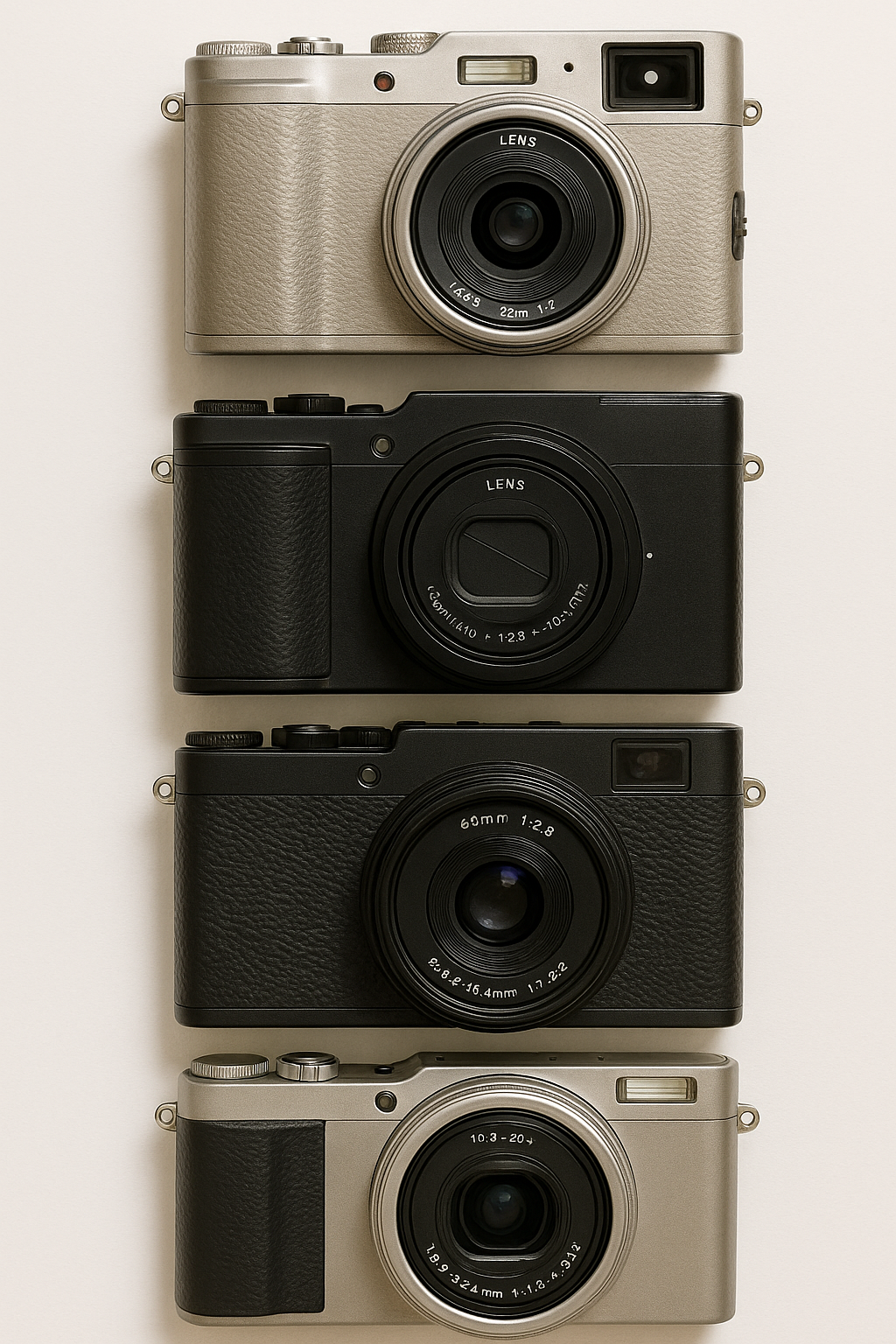
Compact fixed lens
Unlike interchangeable lens systems, these cameras have lenses permanently attached to the body, making them simpler, lighter, and often more affordable.
Compact cameras come in a wide range of styles, offering fixed-lens convenience for photographers who value portability and ease of use.
While traditional point-and-shoot models have declined in popularity due to the rise of smartphone photography, compact cameras still hold a valuable place in the market, particularly at the higher end.
There are different types of compact cameras available, and vary in price.
Bridge cameras: Often styled like DSLRs, bridge cameras offer powerful zoom ranges and manual controls but retain a fixed lens design. They're an excellent option for those who want versatility without the complexity of changing lenses.
Ultra-compact cameras: Designed for portability and ease, these are ideal for casual users who want better image quality than a smartphone can provide.
Premium compacts: Aimed at serious enthusiasts and professionals, these models feature larger sensors (APS-C or even full-frame), fast fixed lenses, and advanced manual controls. One examples include the Fujifilm X100 series. These cameras offer exceptional image quality in a compact, discreet body, making them ideal for travel, street photography, and everyday creativity.
Introduction to digital photography
Cameras
Mirrorless
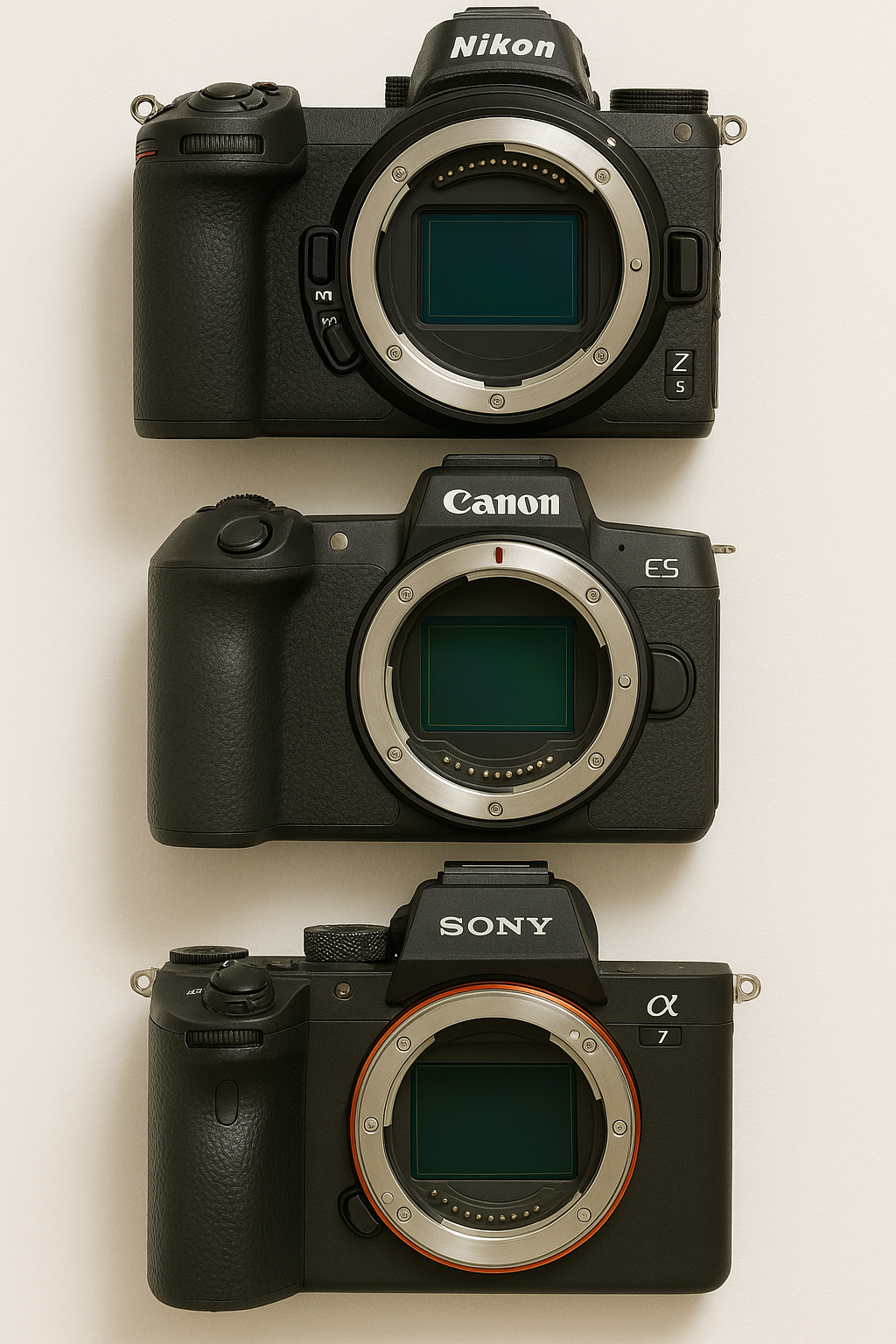
Mirrorless cameras have rapidly become the preferred choice among photographers of all levels, from enthusiasts to seasoned professionals. Their rising popularity in recent years has positioned them at the forefront of the interchangeable lens camera market.
Combining the versatility of interchangeable lenses with a more compact form factor, mirrorless cameras eliminate the traditional mirror and optical viewfinder mechanism found in DSLRs. This design innovation allows for lighter, more portable camera bodies without sacrificing image quality or performance.
Today’s mirrorless systems incorporate advanced features such as fast and silent autofocus, in-body image stabilization, electronic viewfinders, and high-speed continuous shooting. These capabilities, supported by leading manufacturers including Canon, Nikon, Sony, Fujifilm, Panasonic, and OM System (formerly Olympus), have made mirrorless cameras the top choice for modern photographers.
Introduction to digital photography
Cameras
Digital SLR (DSLR)
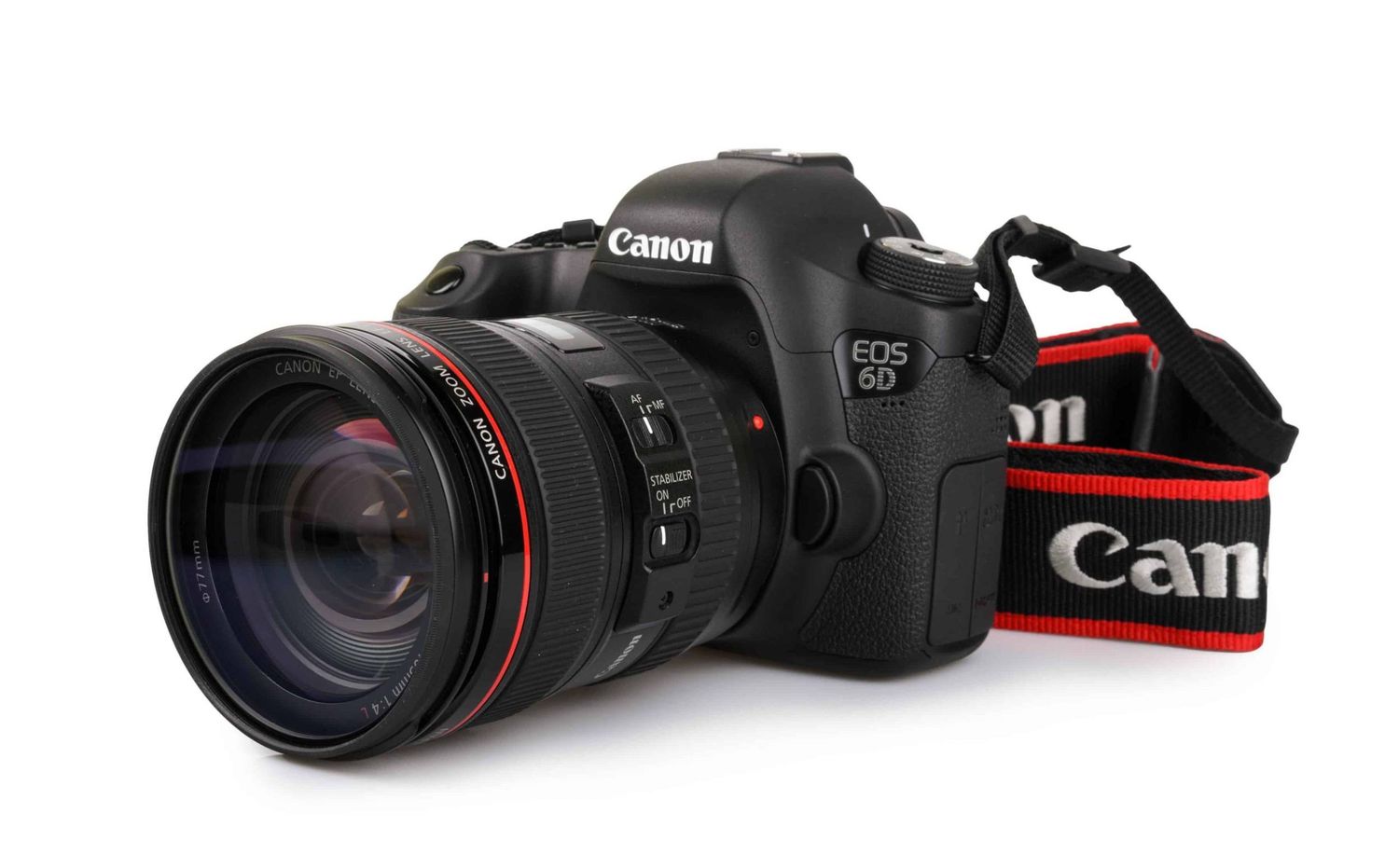
Digital Single-Lens Reflex (DSLR) cameras have long been the preferred choice among photographers seeking performance, versatility, and precise control. Their support for interchangeable lenses enables users to configure systems tailored to a wide range of photographic styles and subjects, from portraiture and landscapes to sports and wildlife photography.
A key strength of DSLRs lies in their durable construction and comprehensive feature set. These cameras typically offer extensive manual controls, customizable settings, and compatibility with a broad array of lenses and accessories — many of which have been refined over decades of development.
Although mirrorless cameras are now at the forefront of innovation and portability, DSLRs continue to offer a dependable and proficient alternative. Their optical viewfinders, extended battery life, and ergonomically designed controls remain favored by photographers who value a traditional shooting experience coupled with professional-grade results.
Introduction to digital photography
Camera Lens
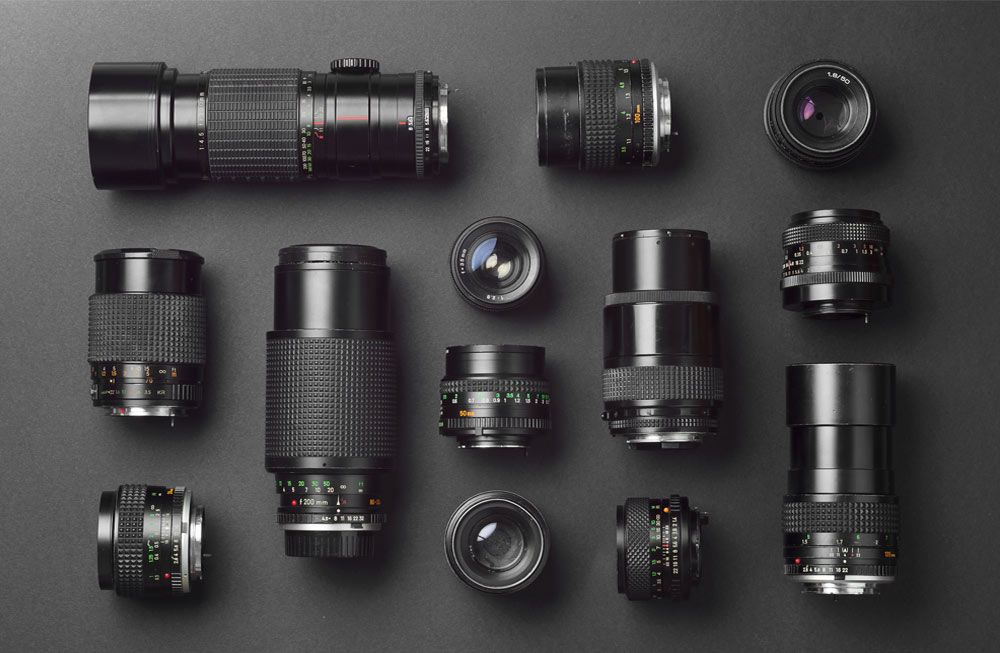
The lens is the heart of your camera. It plays a crucial role by directing light into the camera and onto the image sensor, capturing what you see through the viewfinder.
The quality of your final image—its sharpness, clarity, and colour accuracy—is largely influenced by the optical performance of the lens.
Even the most advanced camera body cannot compensate for a low-quality lens. A budget lens will limit image quality, whereas a premium lens can elevate the results, even on a mid-range camera.
Introduction to digital photography
Camera LEns
Camera lens in detail
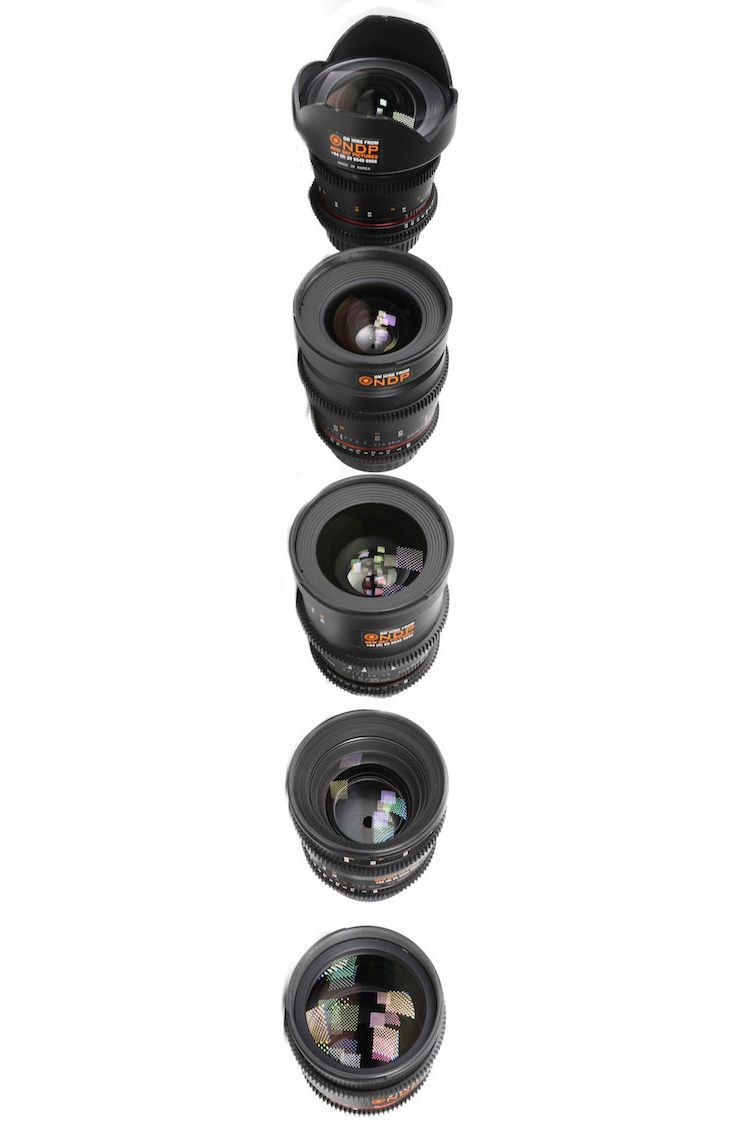
Many cameras come equipped with a ‘kit’ lens—a budget-friendly, all-purpose lens designed to offer flexibility for new photographers. These lenses typically cover a focal range that enables both wide-angle shots and moderate zoom, making them ideal for capturing everything from sweeping landscapes to distant subjects.
Kit lenses are an excellent starting point, offering the versatility to explore a broad variety of subjects, including scenery, portraits, and general everyday photography.
One of the most common focal ranges for standard wide-angle zoom lenses is 24mm to 105mm, which conveniently covers nearly all the shooting scenarios you’re likely to encounter as a beginner.
.
Introduction to digital photography
Camera LEns
Lens Types
Prime lens:
Fixed focal length, such as 24mm, 50mm, or 210mm
Zoom lens:
Focal length is adjustable, such as 24mm to 105mm.
Telephoto lens:
Either a prime or zoom lens with a
high-magnification focal length, such as 210mm
or 500mm.
Wide-angle:
Either a prime or zoom lens with a smaller
value focal length, such as
18mm or 24mm.
While wide-angle zooms are among the most commonly used lenses, different lens types are designed to suit specific subjects and shooting styles.
As your photography evolves and you develop a personal style or focus on particular subjects, investing in the right lens becomes essential to achieving the best results.
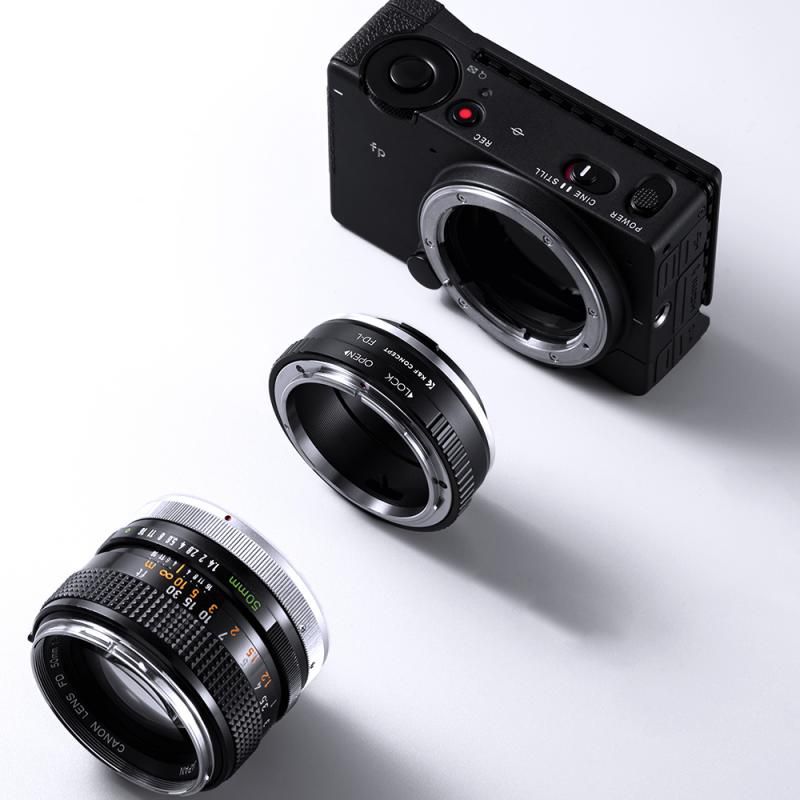
Broadly speaking, lenses fall into two main categories: prime lenses, which have a fixed focal length, and zoom lenses, which offer a variable focal range.
Within these categories, you’ll find specialized types tailored for different purposes—telephoto lenses for capturing distant subjects like wildlife, wide-angle lenses for expansive landscapes or tight interior spaces, and macro lenses for detailed close-ups of small subjects such as insects or flowers.
Each of these lens types is available in both prime and zoom variations, allowing you to choose the combination that best fits your creative needs.
Introduction to digital photography
Camera LEns
A lens to suit your style
For everyday photography, a wide-angle zoom lens on your mirrorless or DSLR camera provides the versatility to handle most subjects with ease.
With a focal range that typically spans from 24mm to 105mm, you can capture sweeping landscapes at the wide end, flattering portraits around 50mm to 85mm, and more distant subjects near the 105mm telephoto limit.
This all-in-one flexibility means you’ll spend less time swapping lenses in the field—helping you stay ready for spontaneous moments without missing a shot.
While wide-angle zoom lenses vary in quality and price, they offer a strong foundation for beginners and enthusiasts alike. As you gain experience and define your photographic interests, you'll likely want to build on your lens collection to better suit your specific needs.
It's worth noting that while general-purpose zooms are convenient, they typically can’t match the sharpness and optical performance of prime lenses or high-end telephoto zooms designed for specialized tasks.
Introduction to digital photography
Camera LEns
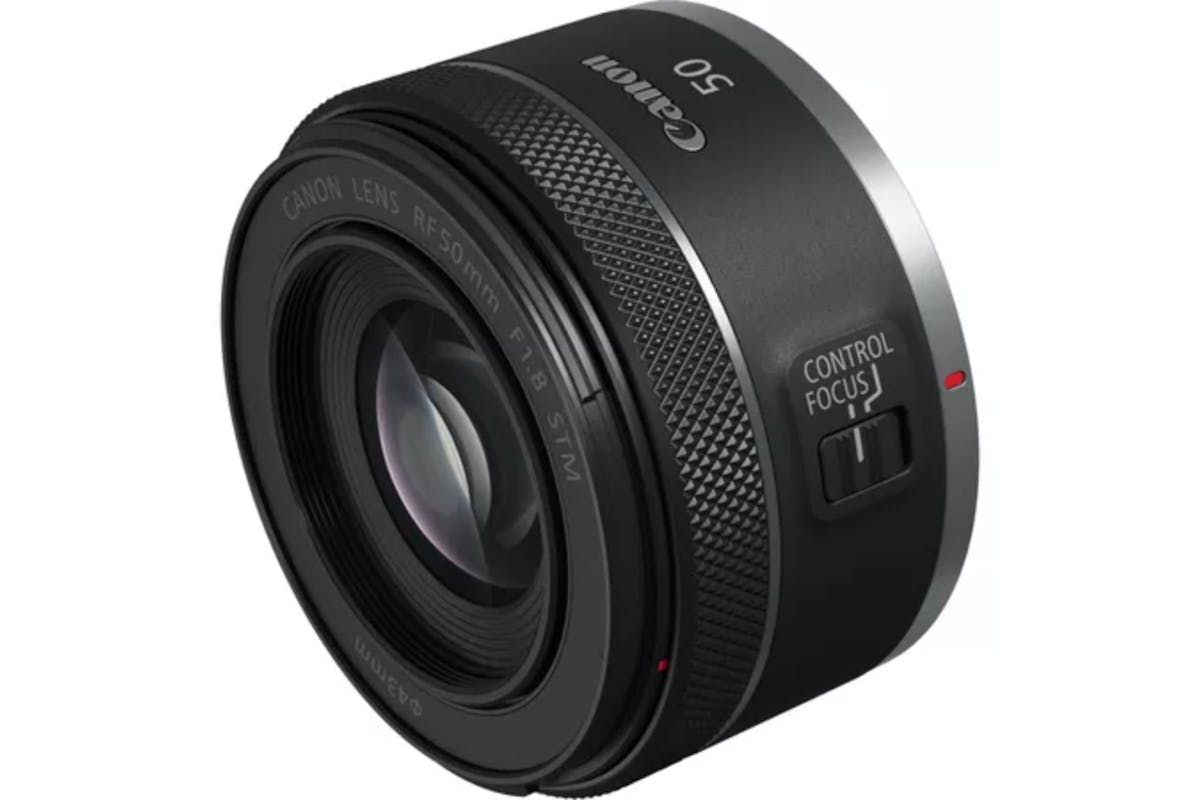
Prime Lens
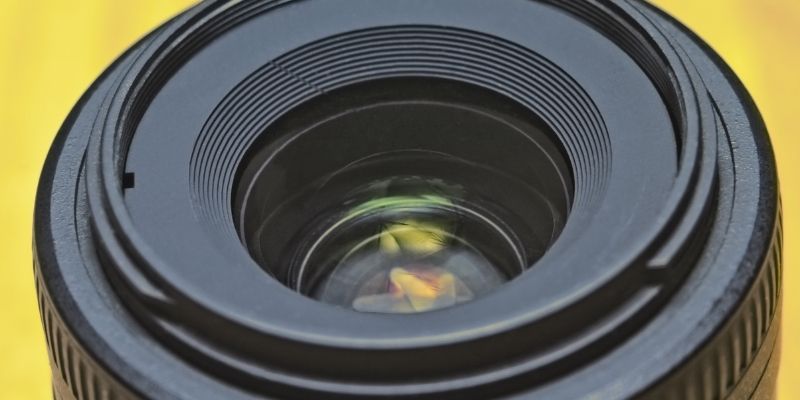
The prime lens, a fixed focal length lens, predates the zoom lens and was originally called the ‘primary’ lens. Unlike zoom lenses, prime lenses cannot adjust their composition through zooming.
While they lack the versatility of zoom lenses, prime lenses excel in optical performance, portability, and cost. They are typically lighter, more compact, and more affordable. With fewer moving parts and a simpler design, prime lenses often produce clearer, sharper images with less distortion and chromatic aberration.
Prime lenses also feature larger apertures (e.g., f/1.8), allowing more light to enter, which is ideal for low-light conditions. This also enables a shallow depth of field, perfect for creating beautifully blurred backgrounds and emphasizing the subject, especially in portrait photography.
Using a prime lens requires physical movement to adjust composition, which fosters a more thoughtful and creative approach to framing, perspective, and subject placement. This discipline helps develop a deeper understanding of visual storytelling, resulting in more intentional and well-composed images.
While prime lenses are favoured by professional portrait and landscape photographers for their sharpness and image quality, photographers in fast-paced settings, like weddings, often rely on zoom lenses for flexibility and quick adjustments.
Introduction to digital photography
Essential Accessories
Introduction
You're all set with your digital camera and lens, ready to start capturing great images.
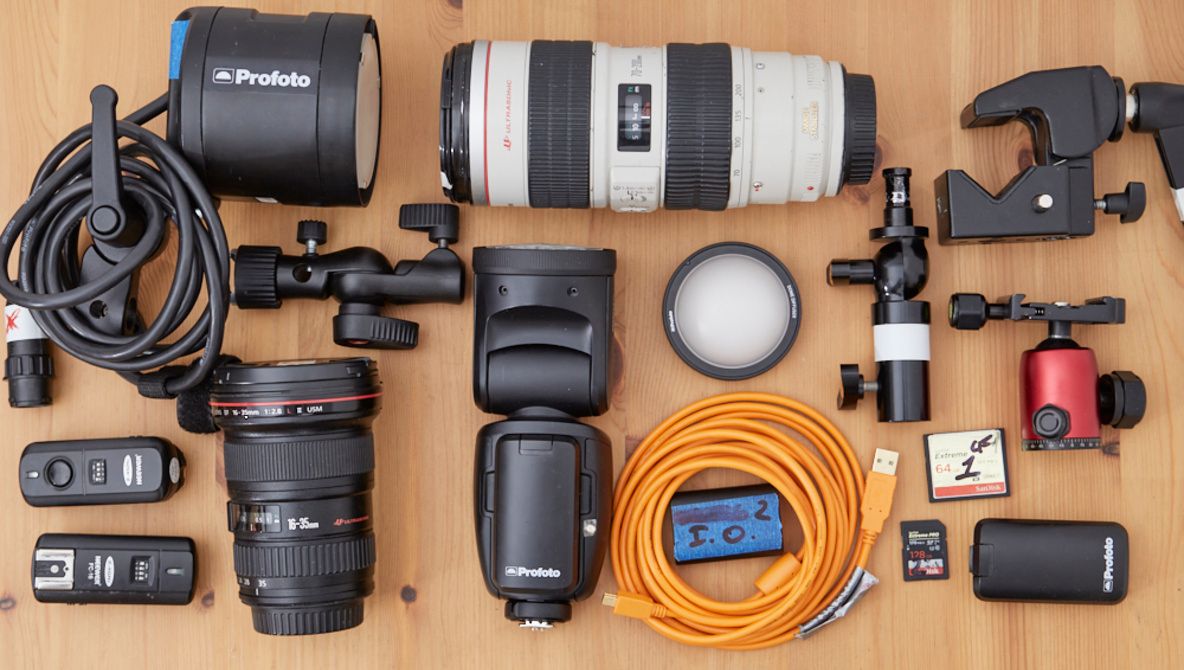
However, there are several important accessories worth considering—tools that can expand your creative possibilities and improve your ability to shoot and manage images in a variety of conditions.
While not strictly essential, these items are valuable additions to your gear kit that you may want to invest in as your photography journey progresses.
.
Our Team
Essential Accessories
Filters
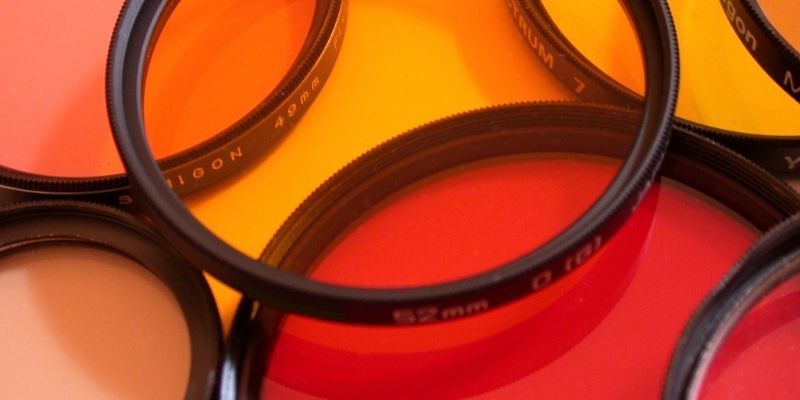
In the era of film photography, creating certain visual effects or adjusting the tone and colour of an image required the use of physical glass filters attached to the front of the lens.
With the rise of digital photography, many of these effects—such as black and white conversion or gradient overlays—can now be applied in-camera using built-in processing features.
However, physical filters still play an important role in modern photography. Some effects simply cannot be replicated digitally with the same level of precision and quality.
Two key examples are neutral density (ND) filters and polarising filters. These tools allow photographers to control light and reduce glare in ways that enhance image quality—particularly in challenging lighting conditions—and remain essential for achieving certain creative outcomes.

Introduction to digital photography
Essential Accessories
ND Filter
Neutral density (ND) filters are commonly used in landscape photography to help manage challenging lighting conditions.
These filters work by reducing the amount of light that enters the lens, allowing photographers to use longer exposure times without overexposing the image. Extending the exposure time lets more light hit the camera’s sensor, which can create effects like smooth, flowing water or soft, streaked clouds.
Achieving these results without an ND filter can be difficult, often leading to overexposed highlights—particularly in bright areas like the sky. ND filters help balance the exposure across the scene, preventing blown-out highlights and preserving detail in both the sky and foreground.
Available in a range of strengths, ND filters give you control over how much light is reduced, allowing for greater flexibility in creating contrast and dynamic range in your images.
.

Introduction to digital photography
Essential Accessories
Polariser Filter
Another widely used lens filter is the polariser, designed to reduce glare and reflections while enhancing color saturation and contrast.
There are two main types of polarising filters: linear and circular. For digital photography, circular polarisers are the preferred choice, as they work seamlessly with modern autofocus and metering systems.
When using a polariser, you'll notice changes directly through the viewfinder. For example, the sky often appears deeper and richer in color as the filter cuts through atmospheric glare that can otherwise make images look flat and washed out. This enhanced clarity and vibrancy can dramatically improve the overall impact of your photos.
.
Introduction to digital photography
Essential Accessories
Tripods and Monopods
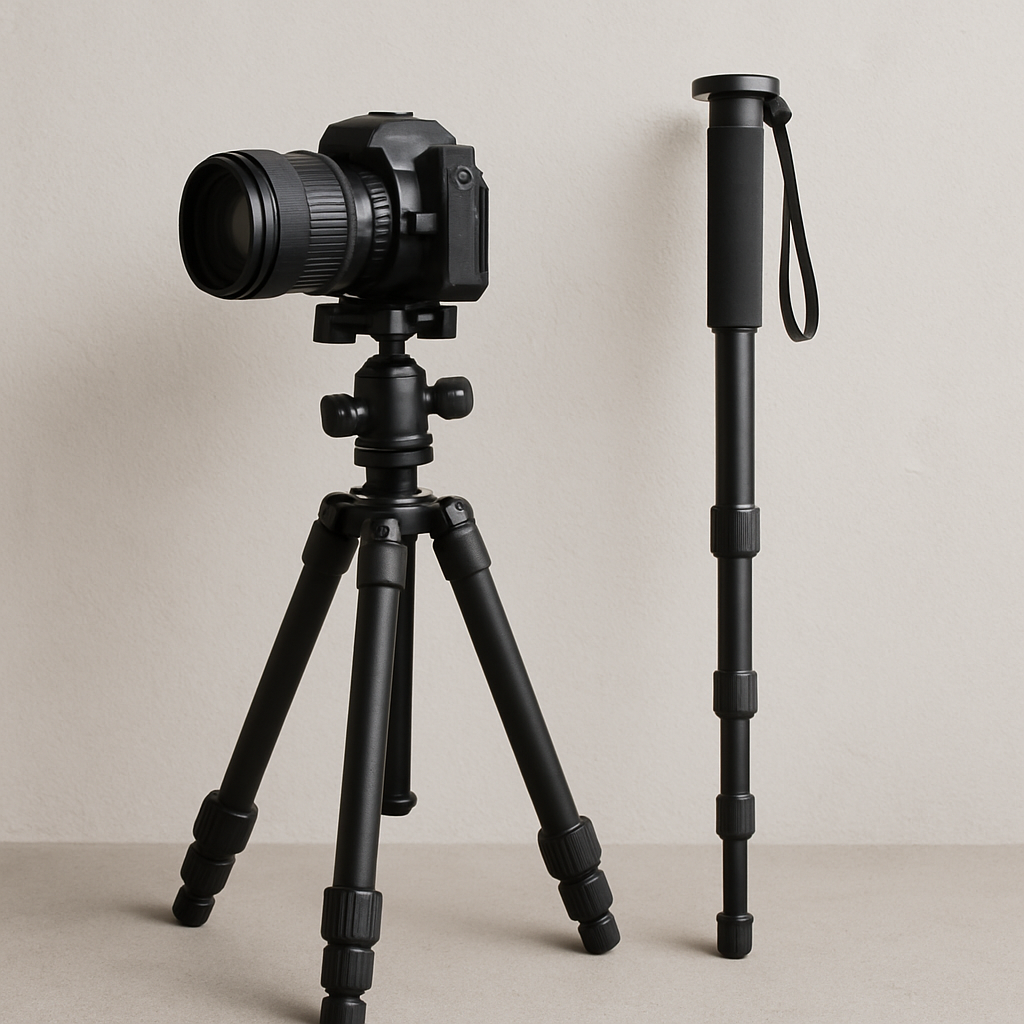
A steady hand is often enough for sharp photos when using fast shutter speeds. However, in low light or long exposure situations, a tripod is essential to avoid blur.
Tripods vary widely in size and price. While professionals may spend hundreds of pounds, a good-quality model can be found for around £100. Prioritize tripods with carbon fibre or aluminium legs for strength and durability, as cheaper plastic options often lack stability.
Some brands sell legs and heads separately, but many retailers offer complete kits to simplify your choice. Higher-end tripods may include features like built-in spirit levels for perfectly aligned shots.
For greater portability, consider a monopod. Though less stable than a tripod, it offers a steady base and is ideal for confined spaces, such as social events.
.
.