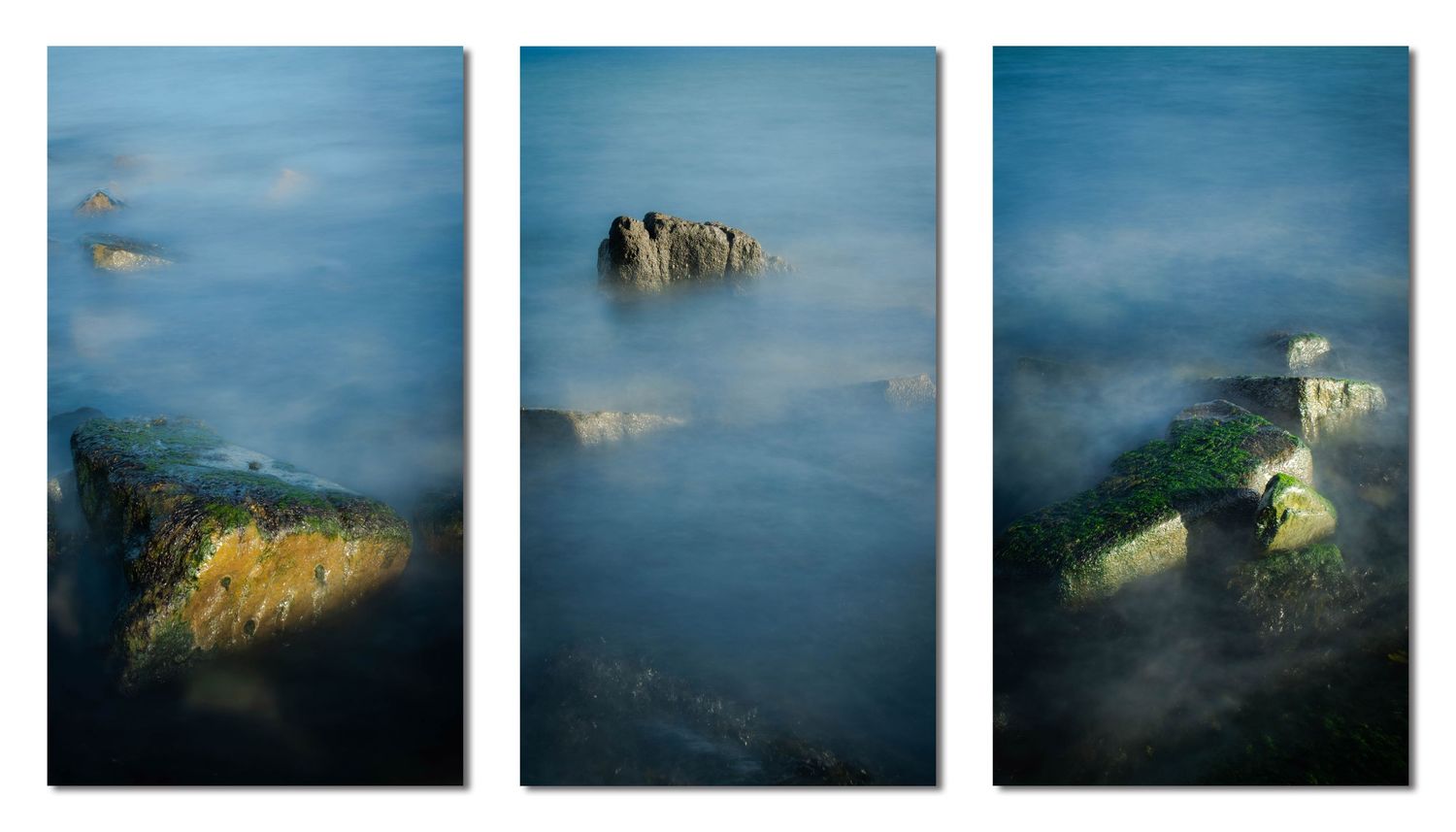
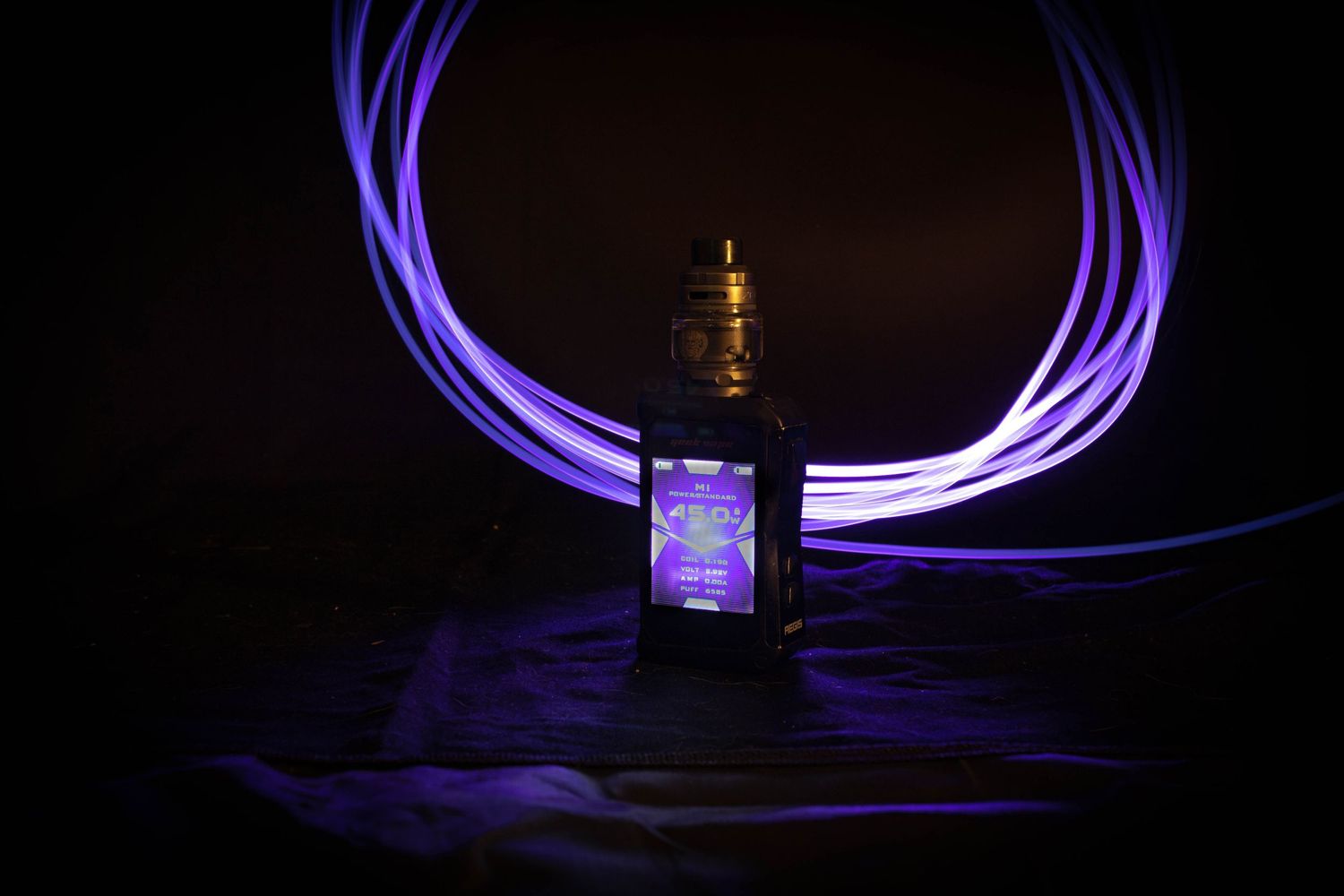
One of the key aspects of advanced photography is visualisation, which is the process of imagining the final image before taking the shot. Visualisation is an essential tool that can help photographers create compelling and impactful images.
What is Visualisation in Photography?
Visualisation in photography is the process of imagining and planning the final image before taking the shot. It involves considering the subject matter, composition, lighting, and other elements contributing to the final image. Visualisation is an essential part of the photographic process, as it allows photographers to create deliberate and intentional images and convey their creative vision.
The Importance of Visualisation
Visualisation is an essential aspect of photography, as it allows photographers to create deliberate and intentional images. Photographers can make conscious decisions about the composition, lighting, and other elements that contribute to the final result by visualising the final image before taking the shot. This ensures the image captures their creative intent and communicates their vision to the viewer.
Visualisation also helps photographers develop their creative skills by encouraging them to think more deeply about their subject matter and how to convey its essence through their images. It can be a challenging and rewarding process, as it requires photographers to look beyond the surface of their subject matter and consider its deeper meanings and significance.
The Process of Visualisation
The process of visualisation involves several key steps, including:
- Conceptualisation: This involves considering the subject matter and the message that the photographer wants to convey through their image. It also involves thinking about the composition, lighting, and other technical elements that will contribute to the final image.
- Pre-visualization: This step involves imagining the final image in the mind's eye, considering the composition, lighting, and other technical elements, and anticipating how the image will look once it is captured.
- Execution: This step involves taking the shot, using the technical skills and creative vision to create an image that matches the pre-visualisation.
- Post-processing: After the image is captured, photographers can use post-processing techniques to enhance the image and further convey their creative vision.
Tips for Visualisation
Visualisation is a skill that can be developed with practice and experience. Here are some tips to help photographers improve their visualisation skills:
- Study other photographers: Look at the work of other photographers and consider how they use composition, lighting, and other elements to create compelling images. Analyse their work and think about how you can apply similar techniques to your own photography.
- Practice visualisation: Take the time to imagine the final image before taking the shot. Consider the composition, lighting, and other elements that will contribute to the final image. With practice, visualisation will become more natural and intuitive.
- Use a tripod: A tripod can help to slow down the process of taking a photograph and give the photographer more time to consider the composition and other elements of the shot. It can also help create a more stable platform for the camera, leading to sharper and more detailed images.
- Experiment with different techniques: Try different approaches to visualisation, such as imagining the final image in black and white or considering how the image will look at different times of the day. Experimentation can help to expand your creative vision and lead to more innovative and impactful images.
Visualisation is an essential tool for photographers who want to create images that are deliberate, and intentional, and convey their creative vision. It is a challenging and rewarding process that requires photographers to think deeply about their subject matter and how to convey its essence through their images. With practice and experience, visualisation can become an intuitive and natural part of the photographic process, leading to more compelling and impactful images.